Post-War Cricket in Vancouver
MCC Tour (1951) On August 25, 1951, the Marylebone Cricket Club (MCC) toured Canada. At Brockton Point, Vancouver, the Vancouver City side defeated MCC in front of 1,200 spectators. The largest pre-war gate at Brockton was 3,000 during the 1939 Inter-Provincial Under-19 Final between Ontario and British Columbia. Notable players from the 1951 Vancouver side included Bill Hendy and Peter Stead, both of whom later toured England with Canada in 1952. Peter’s son, Martin Stead, played for Canada when the nation first qualified for the World Cup in 1978.
Commonwealth & International Influence
1954 British Empire Games in Vancouver highlighted Vancouver’s growing international sporting connections. Balaclava Park was created as a practice field for track and field athletes; Brockton Point Cricket Club later attempted to maintain a grass wicket there in the 1990s with limited success. Post-WWII, Vancouver benefitted from an influx of professional cricket talent, including Tom Brierley (ex-Glamorgan), who maintained Douglas Park East before moving to Shawnigan Lake School.
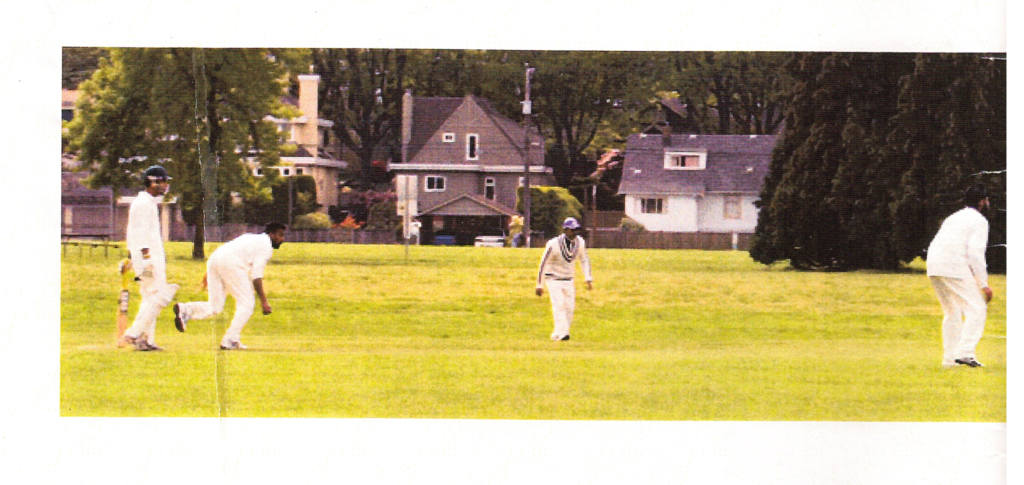
BCMCL Club Dominance (1950s–1960s) Brockton Point: 1957–1961 Burrard: 1950, 1951, 1955 North Shore: 1952, 1954 South Hill: 1953, led by Stan Hansen, a true all-rounder who excelled in batting, bowling, fielding, and leadership. New parks added to league rotation included: Wolfson Field (UBC) – for students and staff West Vancouver – Ambleside Park Norgate – North Vancouver Additional parks: Hillcrest, Little Mountain, Montgomery, Brighouse, South Arm (Richmond), Bear Creek (Surrey) Surrey Municipality later established a grass wicket with a qualified groundskeeper at West Newton Community Park, while Brockton Point and Stanley Park lacked dedicated maintenance staff.
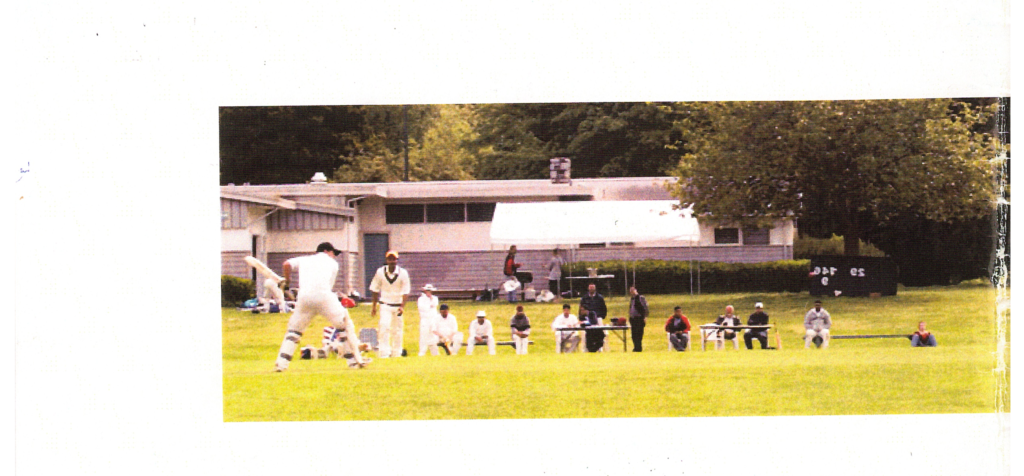
Representative & International Cricket at Brockton Point
Brockton Point served primarily for representative matches. Key figures: Cliff Cox, Vancouver cricket ambassador, introduced visiting teams to the grounds: New Zealand (1964), Yorkshire (1965), Australian Old Collegians (1968), Kent (1973, 1979) Australia (1975), featuring Chappell brothers, Lillee, Thomson, Walker, Walters Derrick Robins XI (1976), Queensland & Alan Border (1982), MCC (1986, 1994, 2000) Local heroes included Daryl Winterlik and Franklyn Dennis, who excelled in matches against touring sides. Other notable teams: Qantas Airlines, Ajit Wadekar XI, blending cricket with business diplomacy.
Emergence of New Clubs & Baby Boomer Influence 1960s–1970s saw diversification:
Varsity (1962), Kerrisdale (1964) Seattle (1965–1966), Pitt Meadows (1967), UBC Occasionals (1971), Caribe (1973) Baby Boomer players, products of junior development programs, strengthened the league and representative cricket: Canadian Colts U19 alumni: M. Pearson (1959), D. Yeomans (1969), M. Stead (1977), among others Senior Canadian representatives: S. Hansen (1951), M. Stead (1978), Barry Seebaran (2003), Jimmy Hansra (2010)
Vancouver Juniors & Grassroots Development Early challenges included swamplands at Connaught Park and Chinese Gardens/City dump at Douglas Park. Vancouver Juniors structured competitions: Division 1: all schoolboys Division 2: under 14 Division 3: under 12 Saturday leagues and school-based leagues fed talent into senior ranks, culminating in 1978 with Brockton Point dominating 1st division cricket. Notable achievements: Brockton Point Cricket Club won 1st Division titles 1978–1980, 1984–1990 Five Vancouver Junior graduates contributed to the 1977 Interprovincial Tournament and subsequent 1978 World Cup selection.