Athletic Club Decline (1900–1913)
Financial Performance and Decline of the Athletic Club (1900–1913)
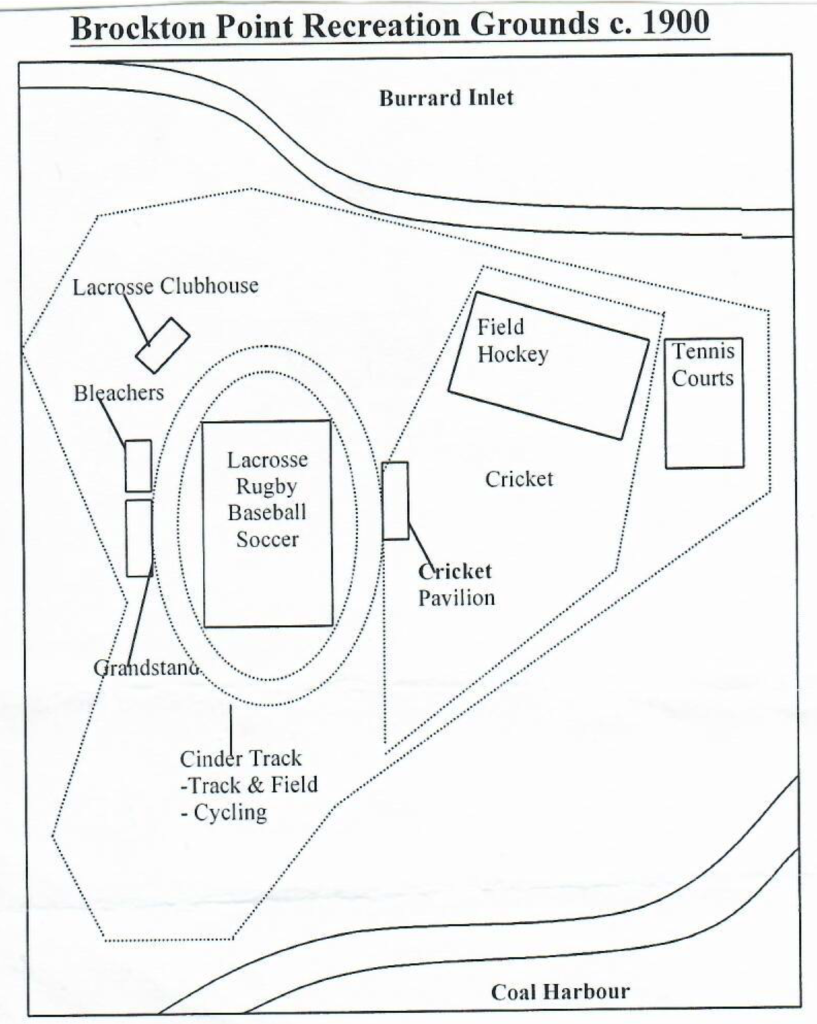
The Athletic Club met its financial commitments and made a profit in its first ten years, achieving profitability by 1900. Wikipedia in its List of Recessions in the United States catalogues “the panic of 1910–1911, and January 1910 to January 1912” as periods of recession in the United States. We presume if the United States sneezes, Canada catches a cold. The playing fields at Brockton Point required repair, primarily to drainage an expense that had been deferred. Revenue was declining as lacrosse, soccer and baseball had deserted the Athletic Club fields for greener pastures. Other venues for entertainment and recreation had sprung up. Campbell Sweeney, a cricketer and the architect of the Athletic Club grounds, may have been “tired of it all” after 20 plus years as Manager of the Bank of Montreal and President of the Athletic Club.
Private vs. Public Power Struggle Turning Point for Vancouver Cricket
Immediately pre–World War 1, the issue at hand for Vancouver cricket was the fate of the Athletic Club. The Athletic Club was in arrears of payment under its lease with the City, and the Athletic Club efforts to find a white knight to assume the Athletic Club’s obligation to the City had been rebuffed. City Hall was being courted by the independent and nascent Vancouver Parks Board Commissioners who were itching to extend their control over the jewel in the Vancouver parks board system, the Brockton Point Athletic Club playing fields. A review of the correspondence back and forth illustrates the private versus public tug of war that took place.